
Mapmaking Throughout Life
Finding our way is a lifetime project

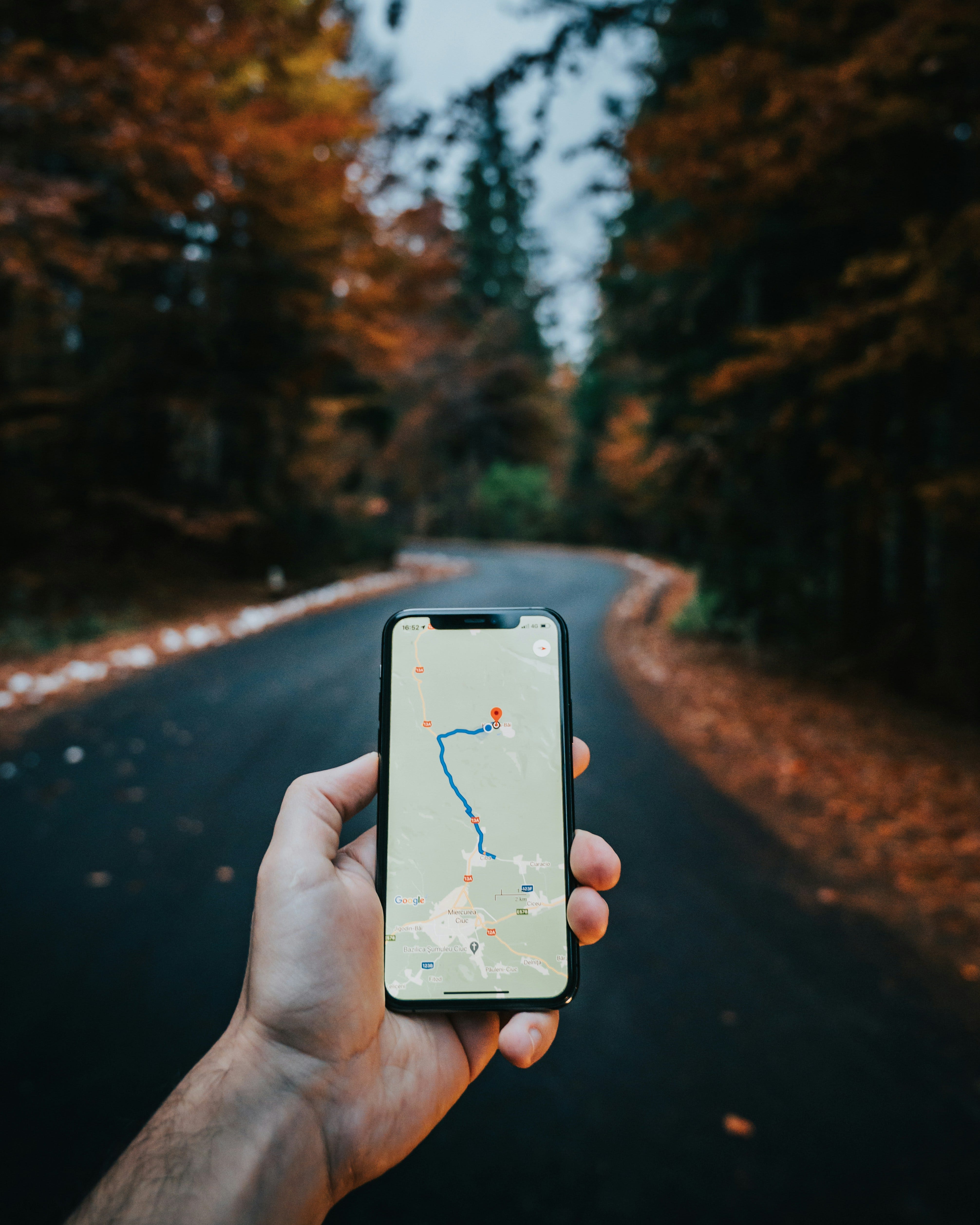
Photo by Tamas Tuzes-Katai on Unsplash
I’ve been revisiting the idea of “aging without a map” recently, but I hadn’t quite found the right words for my thoughts until this morning, when I read Suleika Jaouad’s Substack entry, “3,000 Unreasonable Little Arguments: Chaos gardening, escaped cows, and why easier isn’t always better.”
I should probably say that I have a huge crush on Suleika Jaouad. I love her writing, her spirit, her generosity, her openness and honesty, her willingness to share, her wisdom, and her courage. I’d like to be her when I grow up. Only she’s not even half my age.
All of these qualities, and the fact that she’s so much younger than I am, made her post this morning the perfect catalyst for bringing my newly confused thoughts about aging into focus.
The post begins:
“I have no business being a chaos gardener.
So why, then, am I spending most of my free time covered in dirt, huffing and puffing behind a wheelbarrow, dragging plants around my yard, puzzling through the ancient art and arithmetic of sunlight, soil, color, scale, and all the other things I do not yet understand?”
As I read on, I suddenly realized that it’s not just when we’re aging that we don’t have a clue about what we’re doing. We humans go through life without a map.
My five-year-old grandson started camp this summer with some excitement, some anticipation, and a lot of trepidation. Why? Because that’s what happens when we start something new, something that might be fun, might be disappointing, might be awful. Something that the grownups tell us we’ll like. But we’ve never done it before. He’s never been five, never been to this camp, never been this person who he is right now. And he doesn’t have a map (although he has adults who can help him through this time).
Here are some of the life dilemmas I have been listening to in the last few weeks, as these ideas were tumbling around in my brain: A young woman preparing for her wedding; a man whose wife is pregnant with their first child; a couple sending their oldest child to college; a young person getting ready to graduate from college; a man whose father, with whom he has a complicated relationship, is dying; an older woman who is getting divorced; a person trying to prepare for retirement; a man whose wife has dementia.
Oh yes, and then there was my own detour. If you read my last post, you know I was preparing, with some nervousness and some excitement, for cataract surgery. Two days after I posted, I developed Bell’s Palsy, which temporarily paralyzed the right side of my face. Talk about boulders in the road. Fortunately, I have a mild case and it’s healing so quickly I almost forget that I ever had it. But cataract surgery had to be postponed.
This morning, in my “aha!” moment, I realized that all of us are — and have been — traveling through unmapped territory every single day of our lives.
It’s true that others have traveled these paths before us and will travel them after. We even, if we’re lucky, have friends and loved ones who are traveling them with us. But our own route is unmapped, because we haven’t been here before.
Neuroscientists tell us that the human brain is made to learn quickly. Children, of course, learn more rapidly than adults, because their young brains have a higher degree of “neuroplasticity” than ours do. Recent research from Brown University also shows why children’s brains more quickly stabilize around new information than do the brains of adults; so they can adjust more quickly to changes in their maps than we do.
And we adults, of course, bring more of past lessons and more preconceptions into any new situation, which has both pros and cons for mapmaking.
Which brings us back to my epiphany as I read Suleika Jaouad’s Substack entry
As I read it, I found myself thinking about the paths she has followed and the roads she has carved through the emotional and physical jungles, mountains, and sheer granite walls of this life she has been given. She had leukemia and wrote her NY Times bestselling Between Two Kingdoms, a memoir about her experience. In doing so, and in her subsequent essays, she is making a map of her own and sharing that map with hundreds of thousands of readers and viewers. She changes the route when she needs to. And she shares that with us, too.
And then I thought, ‘Well, isn’t that really what life is all about?’ Not the sharing with the multitudes, of course, since that’s part of Jaouad’s special presence; but the making and re-making of our own maps, through whatever difficult and joyous times we’ve lived, and the joining with others as we do so.
We are all pros at mapmaking, with others and with ourselves. So what’s the big deal now? To paraphrase the old Beatles song, we’ll continue to make our way, with a little — or a lot — of help from friends and loved ones. We have strengths that we are using and will continue to call on. We have the ability to learn. And we have experience to guide us.
Our most important task is not to get stuck in preconceptions and expectations that keep us from moving forward. It’s humbling and sometimes maddening to discover that our older selves really cannot do what our younger selves did. But okay. We can get used to that. We can change our plans, add a rest stop (or two or three), go around instead of over or through a mountain or a lake — or a small hill. We can move more slowly. We can adjust.
As long as we remember that we’ve found our way before. There’s no reason to stop just because we’re getting older.
blind from birth gave me other tools for the making of maps throughout 81 plus years of whole brain living. Being new chapter mapless is a rocky road to newness that I don't always welcome with delight. Pun intended. Thank you Diane for mapless awareness.